OUR GOVERNANCE INTERVENTIONS
The Operation Nehemiah Governance System matches governance support to your organisation's current stage of development. Every intervention is proportionate — neither too much structure nor too little. What you install is what your organisation genuinely needs, at the stage it is actually at.
Operation Nehemiah Governance System

WHAT THIS PROGRAMME IS
Governance formation — not governance training
The Foundational Governance Intervention is a structured governance formation programme for Indian Christian nonprofits. Over three facilitated online sessions, your Governance Formation Team works through eighty governance questions — covering structure, authority, practice, and integrity.
Every answer is captured in real time and becomes a provision in your organisation's Governance Policy Manual. When Session 3 closes, your manual is complete. The full board formally adopts it by resolution. What you govern by is no longer held in memory or custom. It is in writing.
This is not a training course. It is governance formation: governance questions answered by your board, captured in writing, and ready to govern by.
80
governance questions worked through across three facilitated sessions — each answer captured live and becoming a provision in your Governance Policy Manual.
The output
A Governance Policy Manual — your complete written governance framework — adopted by the full board by board resolution after Session 3.
Built for organisations governing by memory
This programme is designed for organisations that carry governance responsibility but have not yet put it in writing. In practice, that means:
The board governs by memory and custom rather than documented policy
Authority boundaries between board and leadership are unclear or assumed
Key governance knowledge lives in one or two people
The organisation could not produce its governance framework if challenged
The Governance Formation Team
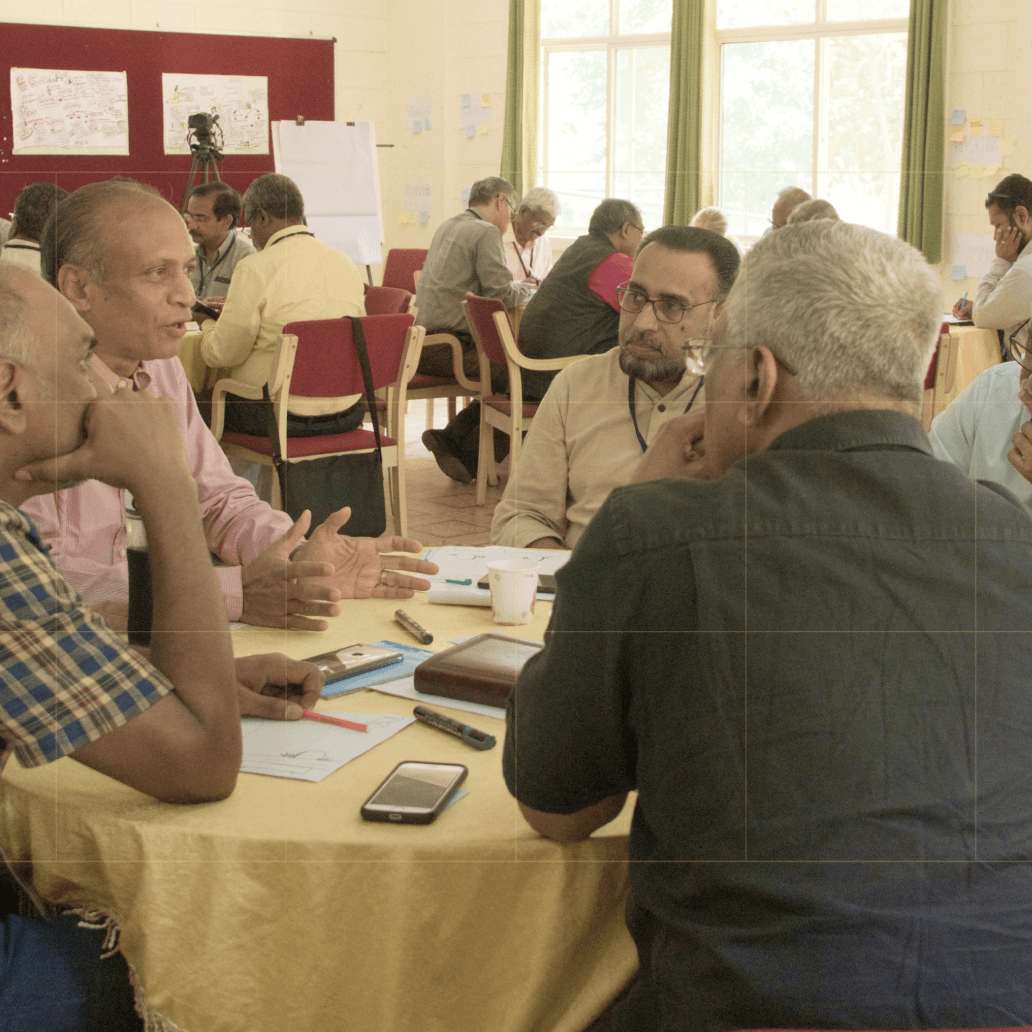
A small team from your organisation — the Governance Formation Team (GFT) — attends the sessions on the board's behalf. The GFT is constituted by the board specifically to do this work.
Recommended composition:
You can edit this slice directly in your code editor.
THE INVESTMENT-
₹8,000. The cost of governance failure is not.
When governance breaks down — a board dispute over undocumented authority, a qualified audit due to absent policies, a donor relationship that does not survive a governance question — the cost typically runs ₹3–25 lakh or more.
₹8,000 is not a training fee. It is a governance safeguard.
Per organisation. No limit on the number of participants.
At a team of four, that is ₹2,000 per person — under ₹700 per session.
Many Indian Christian nonprofits fear that putting governance in writing creates exposure. The response is simple: opacity does not protect — it relocates the risk. An organisation that cannot produce its governance framework when challenged has no defence. The absence of records is itself a finding.
Governance is not compliance. It is faithful stewardship — holding what has been entrusted with honesty and accountability, before God and before those we serve.
The standard does not change depending on who is watching.
· Three facilitated online sessions, plus Launch & Orientation
· Participant workbook and pre-session preparation materials
· Real-time digital decision capture — your manual takes shape in the room
· Complete Governance Policy Manual, ready for board adoption
· 12 months of Vision Coach governance monitoring
· Certificate of Completion (adoption within 60 days)
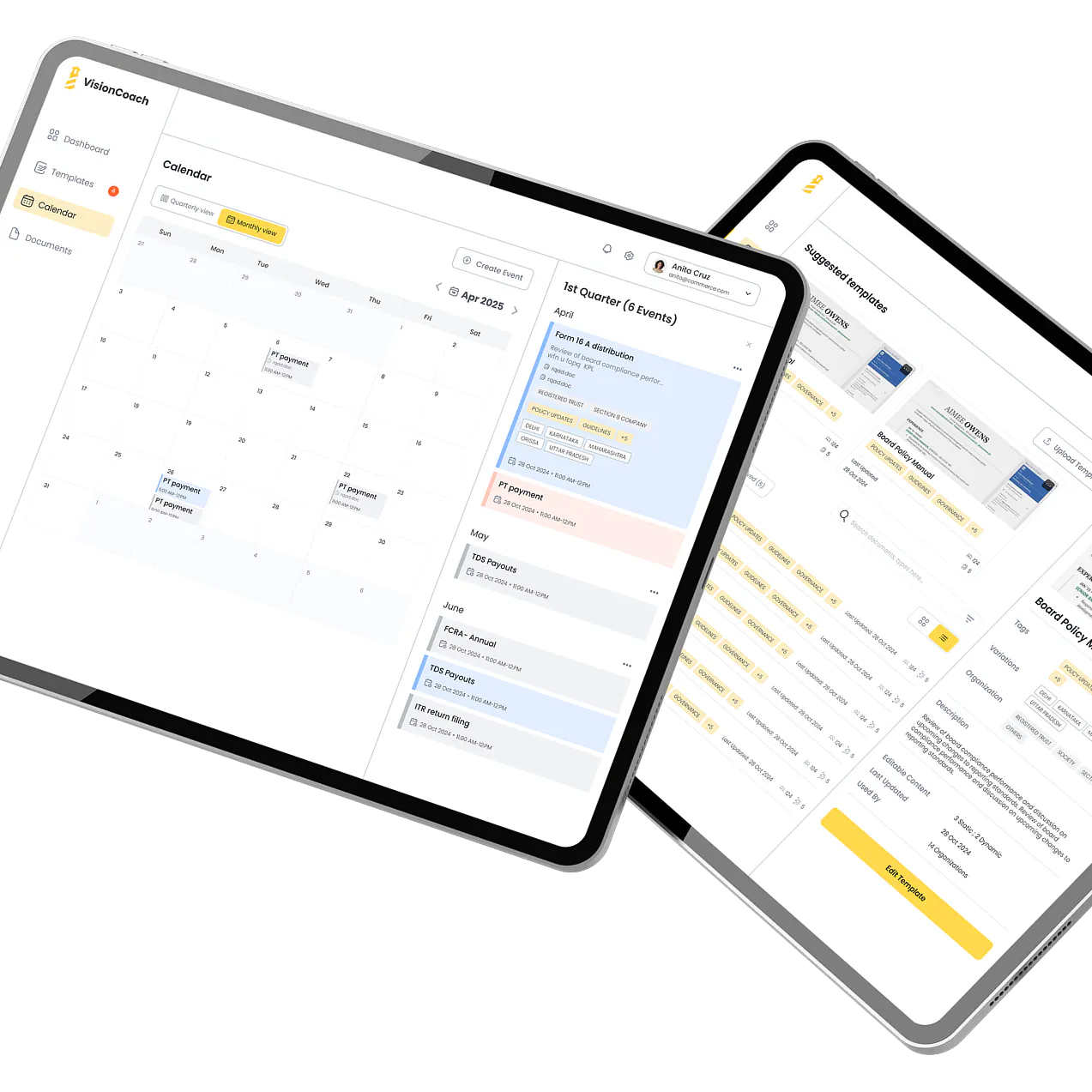

Vision Coach — included for 12 months
Vision Coach is Operation Nehemiah's web-based governance monitoring tool and board dashboard, currently in beta. Participants in Cohort 1 are among the first organisations in India invited to use it. Their experience will directly inform its development.
Continued access is available at pricing maintained to be accessible for nonprofits.
Certificate of Completion
What leaders who engaged with us said
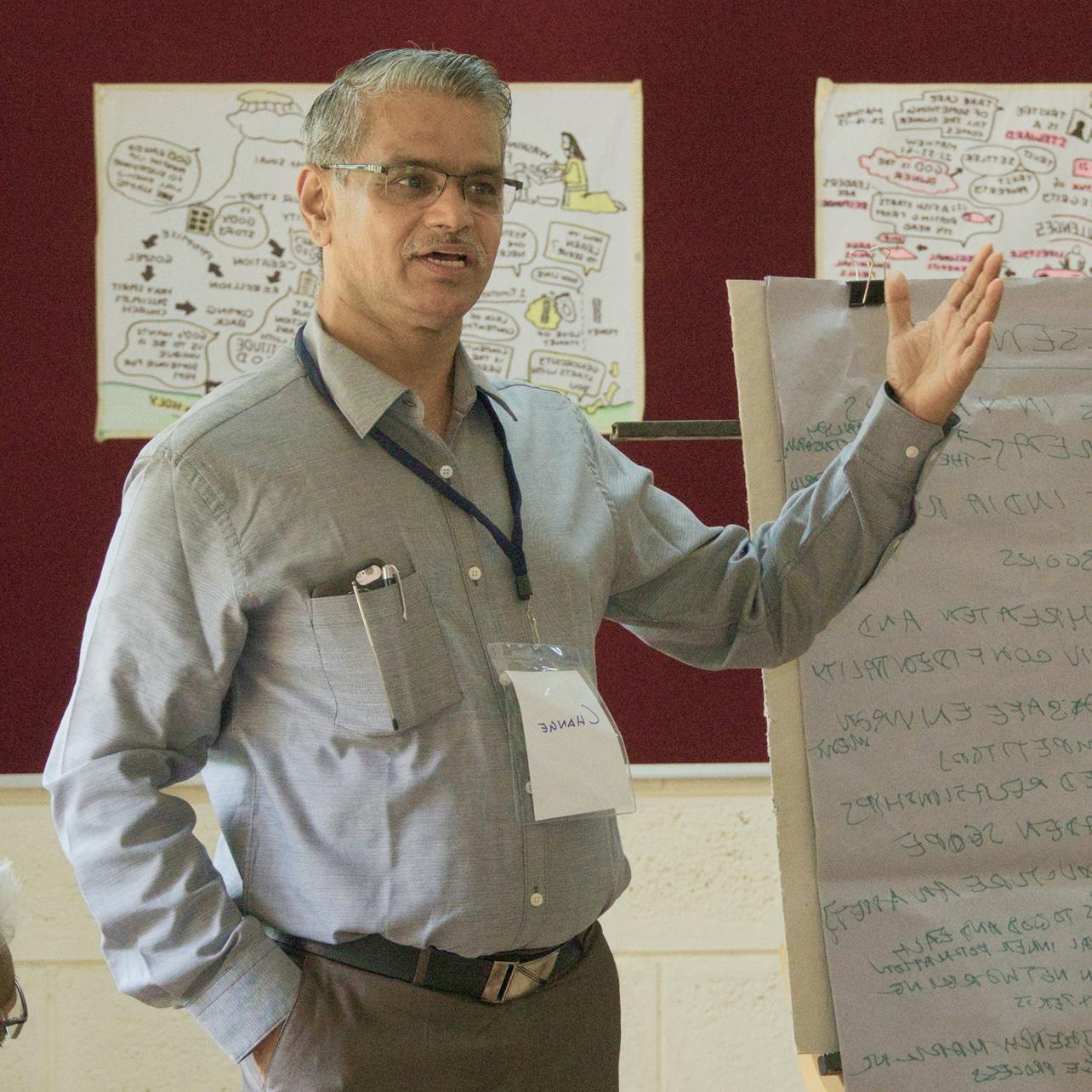
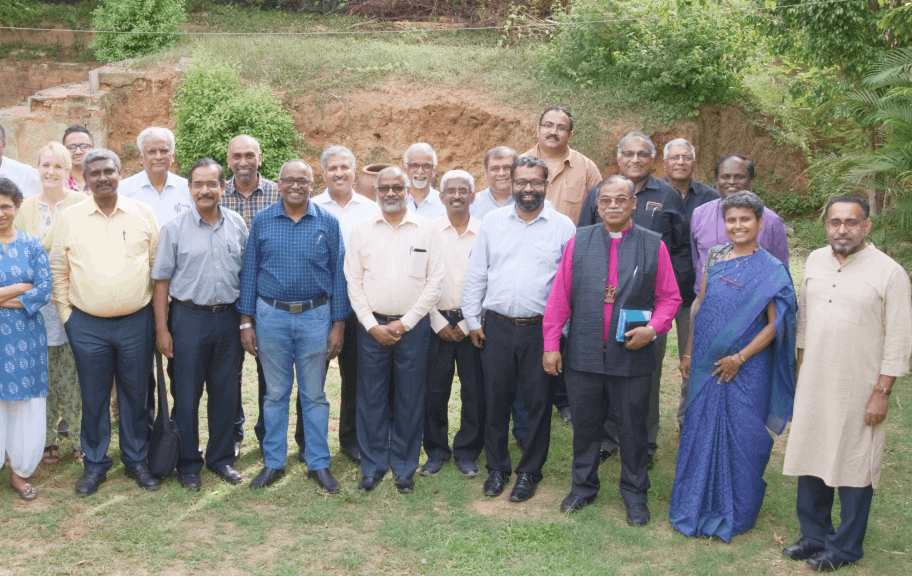
From leaders who engaged with Operation Nehemiah at IMA's National Leadership Consultation 2025.


You will not be alone in the room
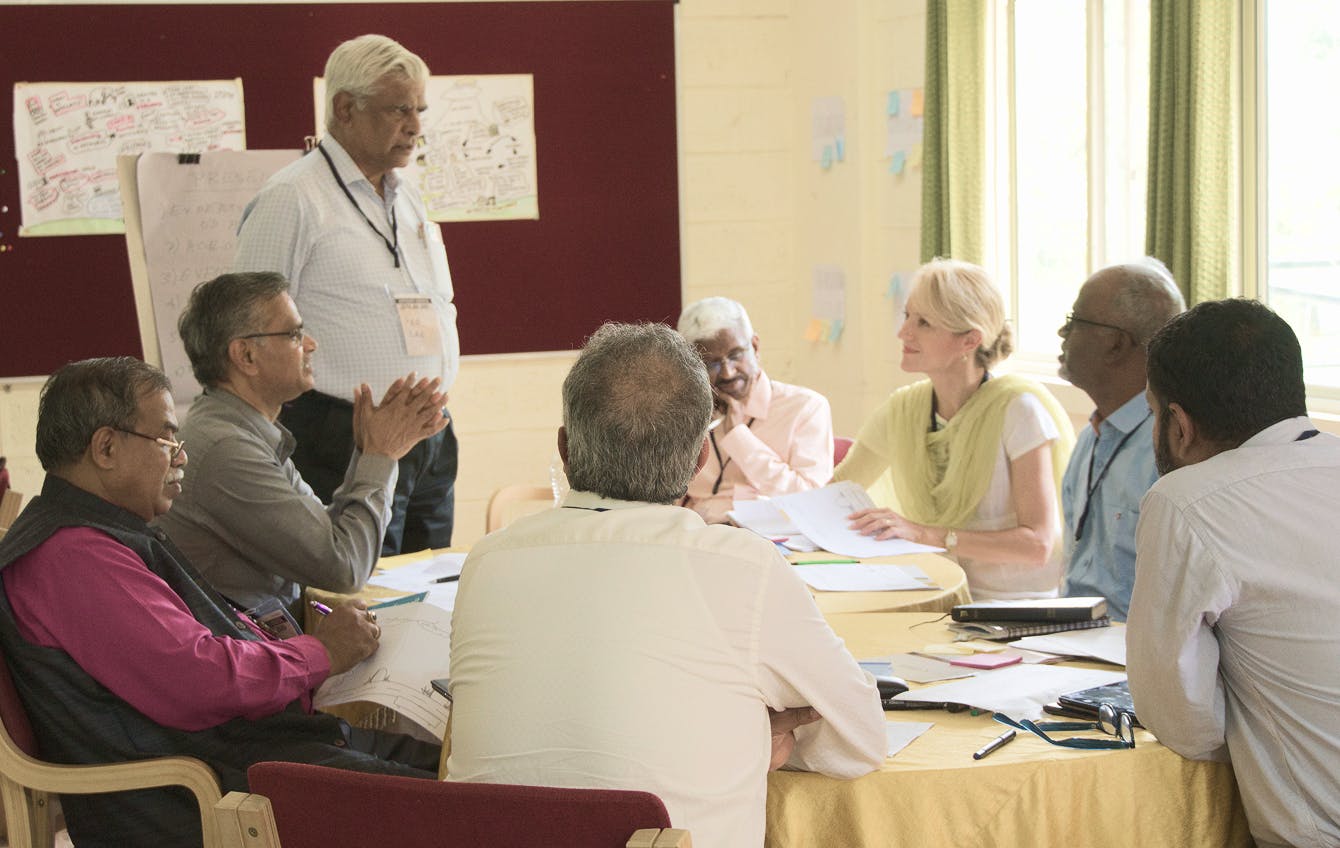
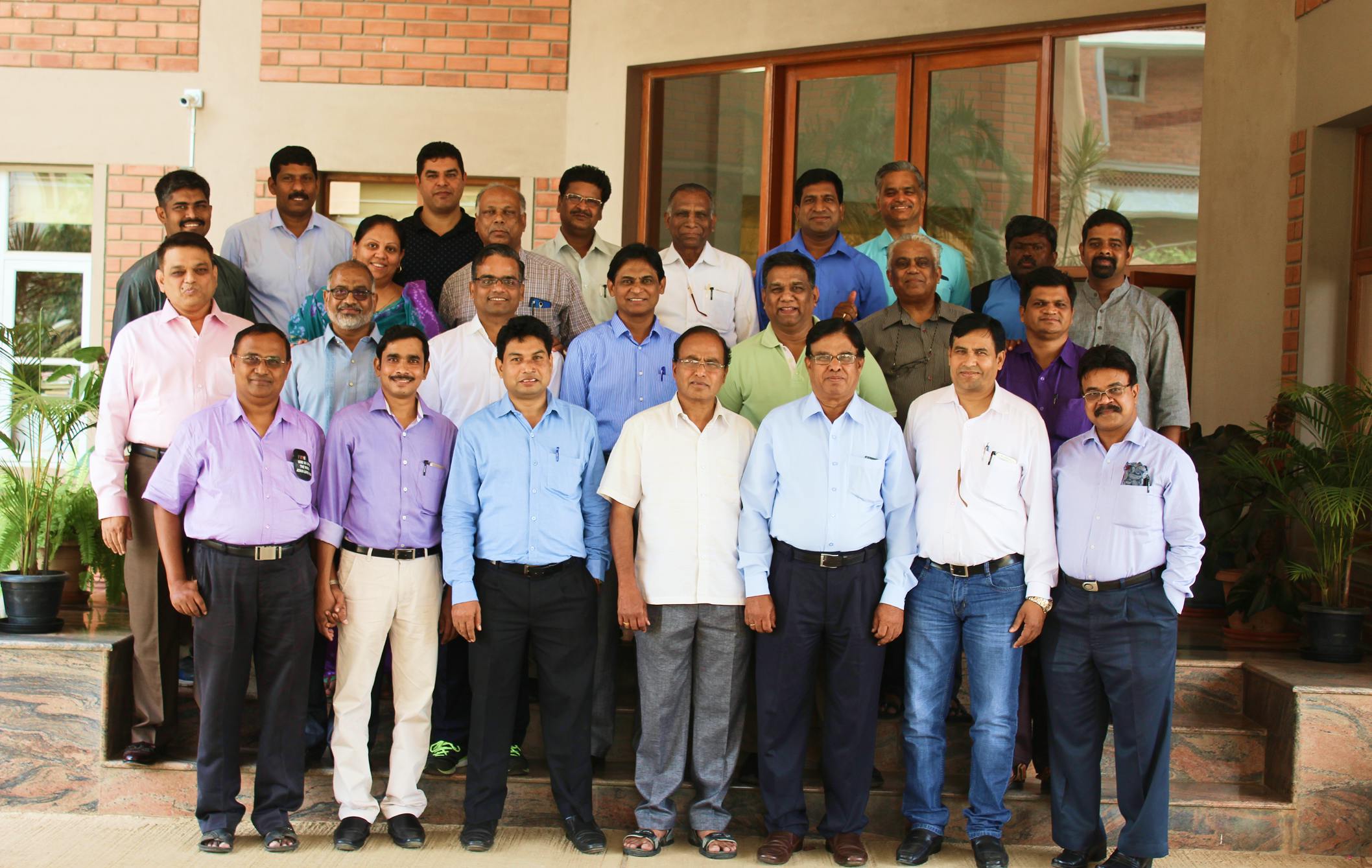
The cohort model brings together a small group of Governance Formation Teams from across Indian Christian nonprofits. Each organisation works in its own breakout room — but you learn alongside peers navigating the same questions.
The cohort is intentionally small. Every organisation gets the time, attention, and facilitation it needs.
Governance Safeguards Lab
Protection before structure
The Governance Safeguards Lab is for organisations where governance is held together by the effort and attention of one or two people. Things are working — but they depend on individuals holding everything together.
The Lab installs a small set of essential governance safeguards without adding unnecessary complexity. It reduces reliance on individual effort, ensures critical responsibilities are never missed, and creates a simple, reliable annual governance rhythm.
What is needed at this stage is not more structure — but more stability
Who It Is For
Organisations at an early stage of governance development, where:
· Board meetings are irregular or reactive
· Compliance responsibilities are managed by individuals rather than systems
· Governance feels uncertain when key people are unavailable
· The organisation has not yet formalised its governance responsibilities
What It Produces
Board Governance Safeguards & Minimum Rhythm Statement
Identifies and protects the governance responsibilities that must be carried — regardless of who is in the room.
Governance Trigger Register
Ensures that compliance obligations and critical governance responsibilities are never missed because no one noticed they were due.
Trigger-Derived Governance Calendar
A simple, reliable annual governance rhythm built from the organisation's actual obligations — not borrowed from a corporate template.

Comprehensive Governance Intervention
Beyond the foundation — a complete governance architecture
The Comprehensive Governance Intervention builds on the Foundational layer to establish a full governance architecture for organisations with distributed authority, multiple programmes, and growing operational complexity.
It extends your governance system to cover risk oversight, data protection compliance, advanced delegation, expanded whistleblowing provisions, succession governance, and institutional evaluation — producing a comprehensive Board Policy Manual ready for full board adoption.
Who It Is For
Organisations where:
· Multiple programmes and staff teams are in operation
· Governance responsibilities are distributed across more than one decision centre
· Leadership transitions need to be navigated or planned for
· Growing accountability obligations require a more complete governance framework
Your first step is the Foundational layer — and it counts.
The Comprehensive Governance Intervention builds on the Foundational layer. If your organisation is at this stage, joining the current Foundational Governance Intervention cohort is a legitimate and complete governance milestone — not a detour. It lays the governance foundation you will build on when the Comprehensive layer opens.

The Comprehensive Governance Intervention is coming.
Register your interest and we will notify you when it opens for registration.
Advanced Governance Intervention
Governance that outlasts its founders
The Advanced Governance Intervention is the governance architecture for organisations that have outlived their founders — institutions entrusted with long-term mission, significant resources, and governance responsibility that must function across leadership generations.
It addresses governance challenges that no earlier layer is designed to carry: board committee structures, strategic oversight, leadership succession governance, institutional risk governance, and the coordination of governance across multi-entity structures.
Who It Is For
Mature organisations carrying governance responsibility at the most complex level:
· National and international ministries
· Institutions with significant intergenerational stewardship obligations
· Multi-entity organisations whose governance must function across leadership transitions
· Organisations whose mission, assets, and accountability structures must outlast any individual
Other Core Offerings
Leaders Mentoring
A relational, character-building space for Christian leaders to find community, coaching, and wisdom for navigating leadership and integrity challenges.

Tailored Interventions
Targeted and contextual expert support for key areas of financial accountability—process design, compliance, documentation, and reporting.